What Are Dental Implants? A dental implant is an artificial tooth root, usually made of titanium, placed in the jawbone to support a replacement tooth. Depending on the treatment plan, an implant may support a crown, bridge or denture. It is one of several ways to replace missing teeth; a dental bridge or denture may …
What Are Dental Implants?
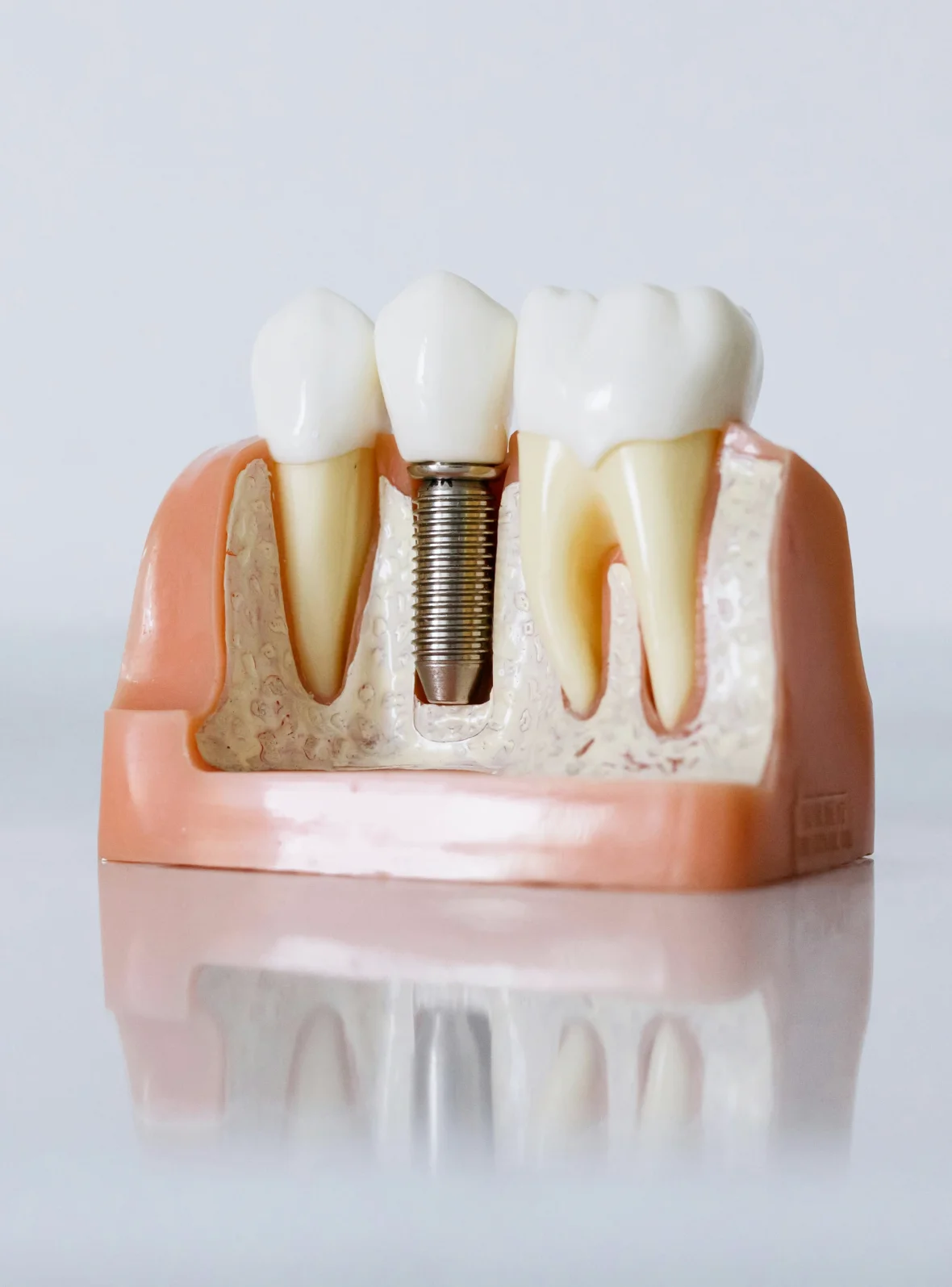
A dental implant is an artificial tooth root, usually made of titanium, placed in the jawbone to support a replacement tooth. Depending on the treatment plan, an implant may support a crown, bridge or denture. It is one of several ways to replace missing teeth; a dental bridge or denture may also be considered. The Canadian Dental Association explains how implants work and who may place them, while the Ontario Dental Association outlines tooth replacement options.
Who May Be Suitable for Dental Implants?
Suitability depends on an individual assessment. A dentist or specialist may consider your general health, gum health, jawbone, the condition of nearby teeth and your treatment goals. An examination and imaging may be needed before a plan is recommended. Some people may need additional treatment, such as a bone graft, or may be advised to consider another tooth replacement option.
A consultation is a chance to discuss the benefits, limitations and risks of each option for your circumstances. An implant is not automatically the right choice for everyone.
What Happens During Dental Implant Treatment?
The process varies, but it may include:
- Assessment and planning: The dental professional examines your mouth, reviews relevant health information and discusses possible options.
- Implant placement: A dentist or specialist places the implant in the jawbone when this is part of the agreed plan.
- Healing: The implant site needs time to heal. The duration varies from person to person.
- Replacement tooth: After healing, a connector and replacement tooth—such as a crown—may be fitted. Several visits may be needed to check fit and bite.
Ask which parts of treatment are provided by your dentist and whether a specialist referral is recommended. The CDA notes that a dentist may perform implant procedures or refer patients to a specialist.
Implants, Bridges and Dentures
An implant-supported crown replaces a missing tooth without relying on a removable denture. A bridge fills a gap by attaching replacement teeth to neighbouring teeth. Partial or complete dentures are removable options. Each has different considerations, including treatment steps, maintenance, cost and suitability. A dentist can explain how the options compare for your needs.
Treatment Time, Cost and Follow-Up
Treatment time depends on the assessment, healing and whether additional procedures are needed. Costs depend on the treatment plan and the type of restoration. Before proceeding, ask for an itemized estimate, what is included, whether referrals or additional procedures may affect the cost, and whether your dental plan offers any coverage.
Once treatment is complete, implants still need regular care. Brush and clean around them as directed, and attend recommended dental checkups so the dental team can monitor the implant and restoration.
Questions to Ask at an Implant Consultation
- What tooth replacement options could suit my situation?
- What examinations or imaging do I need?
- Which stages will you provide, and will I need a specialist?
- What are the expected treatment stages and healing time?
- What costs, follow-up visits and maintenance should I plan for?
Dental Implant FAQs
How long does dental implant treatment take?
It varies. Healing and the number of treatment stages differ, so ask for a timeline based on your assessment.
Are implants the only option for a missing tooth?
No. Bridges and dentures may also be options. The right choice depends on your oral health and treatment goals.
How do I care for a dental implant?
Keep it clean with brushing and the cleaning method recommended by your dental professional. Regular checkups help the team monitor your implant and bite.
How can I ask about dental implants in Downtown Toronto?
Contact One Yonge Dental at 416-363-5005 to ask about an implant assessment, treatment options and whether any stages require a specialist. The clinic is at 30 Freeland Street, Toronto. Visit One Yonge Dental for clinic information.
This article provides general information. A dental professional can assess your needs and discuss suitable options.