
What Are Clear Aligners? Clear aligners are removable trays made to fit a patient’s teeth. A series of trays is used to move teeth gradually as part of an orthodontic treatment plan. Invisalign is one brand of clear aligners; “clear aligners” also describes the treatment approach more generally. Orthodontic treatment can address tooth position and …
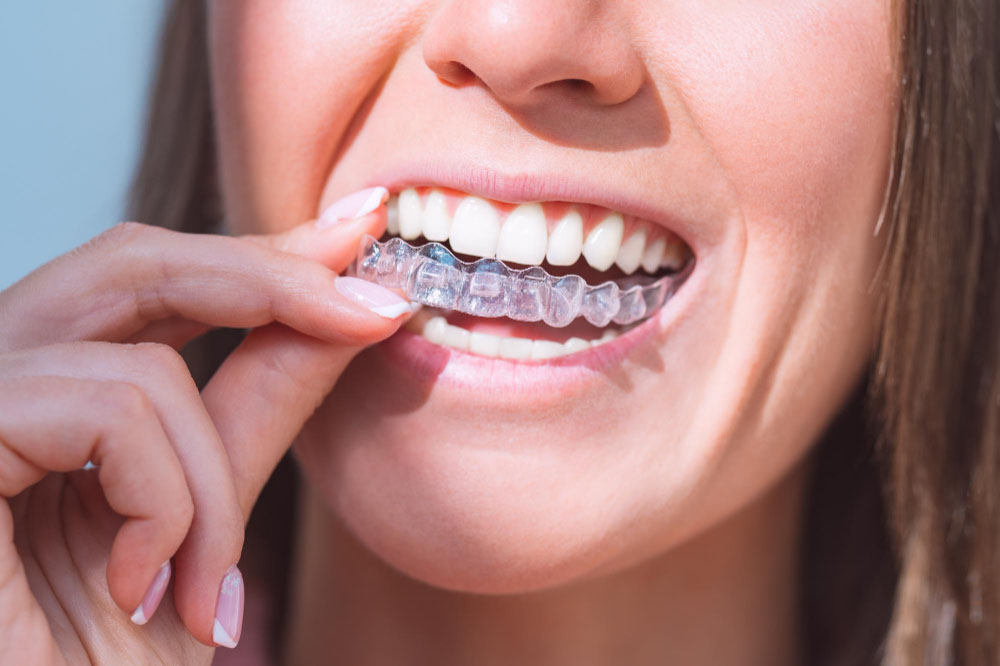
What Are Clear Aligners?
Clear aligners are removable trays made to fit a patient’s teeth. A series of trays is used to move teeth gradually as part of an orthodontic treatment plan. Invisalign is one brand of clear aligners; “clear aligners” also describes the treatment approach more generally.
Orthodontic treatment can address tooth position and bite concerns. The right appliance depends on an examination and the specific movement needed. The Ontario Dental Association describes clear aligners, braces and other orthodontic options.
Who May Benefit From Aligner Treatment?
Clear aligners may be an option for some people with certain alignment concerns. They are not suitable for every case. Your dentist or orthodontist needs to examine your teeth and bite before recommending treatment. They may suggest another orthodontic approach or a referral if it is better suited to your needs.
From Consultation to Retainers
A clear aligner treatment plan generally involves several steps:
- Assessment: A dental professional reviews your oral health, teeth and bite, and discusses your goals.
- Planning: If aligners are appropriate, a treatment plan is prepared. The team explains the expected stages and responsibilities.
- Wearing aligners: You wear the trays according to the instructions provided and attend follow-up visits to monitor progress.
- Retention: After active treatment, retainers may be recommended to help maintain tooth position. Your dental professional will explain how and when to wear them.
Treatment time varies with the alignment concern, the plan and how consistently instructions are followed. The ODA notes that orthodontic treatment can take months or years, depending on the individual and treatment method.
Invisalign vs. Traditional Braces
Aligners are removable, while traditional braces are fixed to the teeth. Removable trays can make eating and brushing more convenient, but they also require consistent wear as instructed. Braces may be considered when a different type of tooth movement or bite correction is needed. A consultation can help clarify the practical differences and which options may be appropriate for your case.
Wearing, Cleaning and Maintaining Aligners
Follow the wear and cleaning instructions from your dental professional. Remove aligners when directed, including for eating and oral hygiene. Clean your teeth before putting trays back in, and keep the aligners in their case when they are not being worn. Ask your provider which cleaning method and products are appropriate for your trays.
Cost, Duration and Other Considerations
The cost and length of treatment depend on the treatment plan and follow-up needs. Before starting, ask what the estimate includes, how appointments are scheduled, what happens if an aligner is lost or damaged, and whether retainers are included. Discuss any oral health concerns that may need attention before orthodontic treatment begins.
Clear Aligner FAQs
Are clear aligners right for everyone?
No. Suitability depends on an examination of your teeth and bite. Some cases may be better treated with braces or another option.
Do clear aligners need to be worn every day?
Follow the specific wear schedule provided by your dental professional. Consistency is part of treatment, so discuss any concerns about wearing trays as directed.
Will I need retainers after aligner treatment?
Your provider may recommend retainers to help maintain tooth position. Ask what type is recommended and how to use it.
How do I ask about Invisalign or clear aligners in Downtown Toronto?
Contact One Yonge Dental at 416-363-5005 or visit the clinic’s website to ask whether clear aligner consultations are available and what assessment is appropriate. The clinic is at 30 Freeland Street, near Queens Quay and Harbourfront.
This article provides general information. A dental professional can assess your needs and discuss suitable orthodontic options.
